The First Hour Home: A Chelsea Return Checklist Once the Cab Has Gone

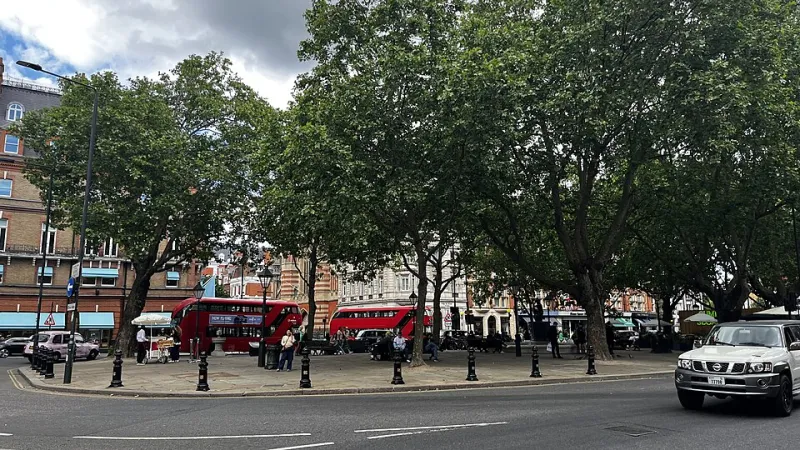
Photo: Charles from Port Chester, New York, CC BY 2.0, via Wikimedia Commons
The car door closes, the engine fades, and the key is suddenly the most important object in Chelsea. An airport transfer is often judged by the punctuality of its beginning, yet the return journey has a quieter second act: the first hour inside your home. For residents returning to a family house, and for visitors unlocking a serviced flat, a little order at the threshold makes the difference between an arrival and a recovery.
This checklist is deliberately modest. It is not a schedule for unpacking the whole case or for restarting the household at midnight. It is a courteous sequence for the first sixty minutes, written for the sort of return where the cab has done its work and the rest is simply settling in.
Before the Door Opens
Have the keys ready before the driver pulls up. A fumble on the pavement is harmless in daylight and considerably less so with luggage, rain and a late hour against you. Keep the front-door key, the building fob and any communal entry code in one accessible place rather than at the bottom of a cabin bag.
If you are staying in a serviced apartment, keep the arrival instructions to hand. Codes, lockboxes and concierge arrangements are easy to mislay after a flight. A reliable airport cab will wait until you are safely inside, and Chelsea Taxis drivers are accustomed to doing so, but the courtesy works best when the passenger is ready to proceed. There is no need to rush the driver away; there is also no need to keep the vehicle waiting while the whole household is inspected.
The Threshold Check
Disarm the alarm promptly, and know the code before you open the door. In an unfamiliar flat, ask the host for the sequence in writing rather than relying on memory. If the property has a communal entrance, avoid propping the door open while cases are brought in; one person can hold the door while another brings the luggage through.
Put the lights on in the hall before moving further into the property. Leave the luggage in one place, preferably out of the walkway, and resist the temptation to carry everything upstairs at once. A first-hour return is not a race. It is a handover from the journey to the home, and the home can wait a moment while you establish where you are and whether the door is properly closed.
Warmth, Water and the Boiler
In cooler months, the first instinct is to turn the heating up sharply. A more measured approach is better. Set the thermostat to a reasonable temperature, check that the boiler has fired, and allow the rooms to warm gradually. If the property has been empty, hot water may take a little time; run the taps briefly and note anything that seems amiss before it becomes a morning problem.
Visitors in serviced accommodation should locate the heating controls early. A quick photograph of the settings is useful if the system is unfamiliar. Residents returning to their own homes can usually trust their routines, but a glance at the boiler pressure and any timer settings is no bad habit after a period away.
The Fridge and the First Cup
Deal with perishables first. If you have brought food home, place it in the fridge before the cases are opened. If the fridge is bare, decide whether a cup of tea and a simple breakfast are possible without a late errand. Chelsea has convenience stores, but not every need should be met by leaving the house again on the night of arrival.
A glass of water, a kettle and a small snack are often more useful than a full meal. Wash your hands, put the kettle on, and let the first cup mark the end of the journey. The unpacking can be partial: medication, chargers, toiletries and the next day's clothes are enough for the first hour. The rest of the case will still be there in the morning.
Post, Parcels and Practicalities
Do not treat the post as urgent. Glance at it, separate anything that looks official, and leave the rest for daylight. Parcels can be collected from a concierge or neighbour the next day. If you live in a building with a communal hallway, avoid leaving deliveries or keys in shared spaces, even briefly.
Check that windows and rear doors are secure, especially if the property has been empty. If something looks out of place, do not conduct a thorough investigation alone at night; secure the door and contact the appropriate person. For visitors, that may be the host or building manager. For residents, it may be a neighbour or the usual household contact.
A Note on the Cab You Have Just Left
Keep the receipt or booking confirmation in one place. If the journey was for business, note the fare while it is fresh. If something has been left in the vehicle, contact the taxi office promptly rather than attempting to chase the driver directly; a reputable service will have a process for lost property. Chelsea Taxis, like any careful operator, would rather hear from you early than discover the matter days later.
A return booking is also worth confirming before the outbound trip is forgotten. The homecoming is easier when the next airport journey is already arranged, and the first hour back is not the moment to be searching for a number.
The Quiet Finish
Before sleep, set the alarm if the next morning requires it, put the phone on charge and leave a light on in the hall. Check that the front door is locked and that the keys are in their usual place. The aim is not a perfect house; it is a calm one.
The measure of a good airport transfer is not only that it reaches the door on time. It is also that the passenger can step inside, close the door and begin to settle without the journey following them in. A courteous return leaves the traveller with nothing more urgent than a warm drink and a quiet room.