Door to Gate from Chelsea: Cab, Rail and Tube Compared for London Airports
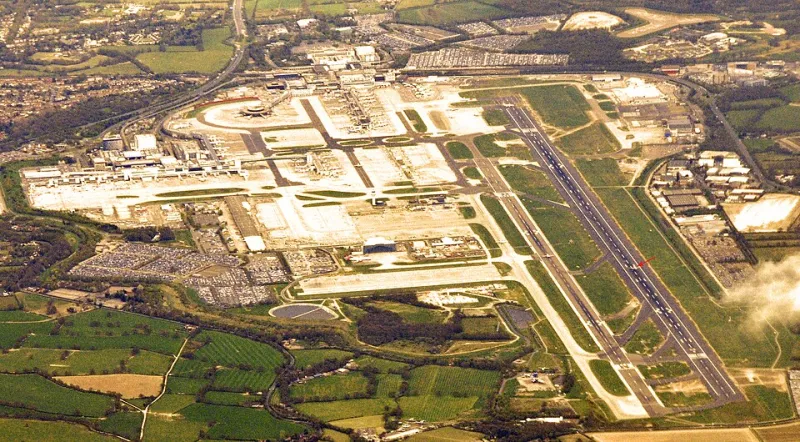
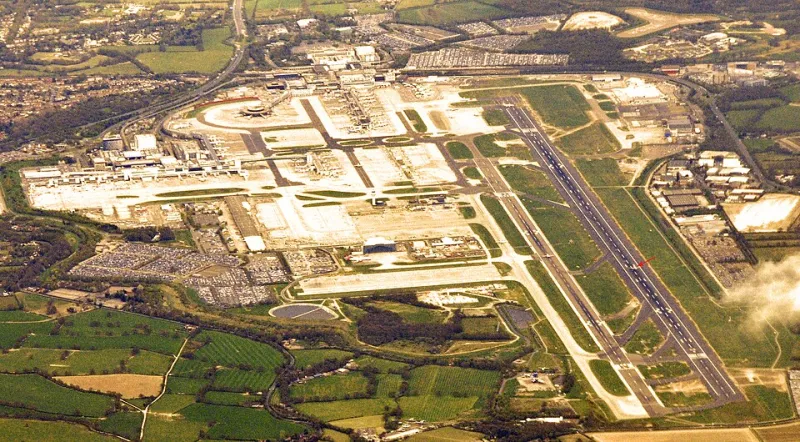
Photo: Mike McBey, CC BY 2.0, via Wikimedia Commons
Ask three Chelsea residents how best to reach Heathrow and you may receive three confident answers. One will swear by the Piccadilly line, another by a pre-booked car, and a third by a taxi to Paddington followed by a train. All three can be right, because the best airport route depends less on the mode itself than on the traveller, the airport and the hour. This comparison is deliberately candid. A private taxi is not automatically the right choice, nor is public transport automatically the cheaper and cleverer one. The useful question is not which option is best in theory, but which is best for this journey on this day.
Measuring the journey properly
Door-to-gate means exactly that: from your front door to the departure gate. It is not the same as station-to-terminal. A Tube journey described as 50 minutes may become 80 minutes once the walk to the station, the wait on the platform, the interchange, the lift queue and the walk through the terminal are included. A taxi may take longer in traffic but can remove several of those steps. Comparing only the time spent moving is where many airport plans go wrong.
Heathrow: taxi comfort versus Piccadilly line value
From Chelsea, a private taxi to Heathrow typically takes 35 to 60 minutes outside the busiest periods, although the M4 and the approach roads can add time. As a broad guide, private hire may cost around £55 to £90 depending on the vehicle, time and booking terms, with black cabs generally higher. Door-to-gate, allow roughly 50 to 75 minutes for a taxi, plus the airline's recommended check-in buffer.
The Tube is the value option. From Chelsea, travellers usually make their way to South Kensington or Gloucester Road and take the Piccadilly line directly towards Heathrow. The train itself can take around 50 to 70 minutes, and the full door-to-gate journey is often 70 to 95 minutes. Contactless fares are modest compared with a private car, but the compromise is luggage handling, crowded carriages and the walk from the platform to departures.
For a solo traveller with a cabin bag and time to spare, the Piccadilly line is a sensible choice. For a family with checked luggage, an early departure or a late arrival, a taxi is often worth the additional cost. The Heathrow Express is less convenient from Chelsea than it first appears, because it requires a journey to Paddington before the train begins.
Gatwick: rail from Victoria is hard to beat
Gatwick is the airport where public transport often wins most clearly. A taxi from Chelsea typically takes 60 to 90 minutes and may cost around £75 to £110 or more depending on the vehicle and time. Rail involves a short journey to Victoria, followed by a Southern, Thameslink or Gatwick Express service of roughly 30 to 40 minutes. The total door-to-gate time is commonly 65 to 90 minutes, and the fare is considerably lower, particularly on advance or standard services.
For one traveller with light luggage, rail is the rational choice. For a group of three or four, the cost per person narrows, and a taxi begins to look competitive once luggage and convenience are counted. Early-morning departures require a check on the first trains, while late arrivals may leave a private transfer as the more dependable option.
London City: taxi is often underrated
London City is closer, but the public route is not always as simple as the map suggests. A taxi from Chelsea usually takes around 35 to 50 minutes and may cost roughly £40 to £65. By public transport, the journey typically involves the District line towards Bank or Monument and then the DLR to London City Airport. Door-to-gate, allow around 55 to 75 minutes, with a fare in the region of £4 to £6.
The DLR is excellent for a solo traveller who knows the route. A taxi becomes more attractive for two or more passengers, for anyone with heavy bags, or for a departure at an hour when the interchange feels less appealing. London City security is often swift, but that is not a reason to cut the overall buffer too finely.
The variables that change the answer
Luggage and stairs
Public transport in London is not uniformly step-free. Lifts help at many stations, but they can be busy, and Tube carriages are not designed for large suitcases. A taxi removes the platform-to-platform effort entirely. If you are travelling with more than one checked bag, the calculation shifts towards a private transfer.
Time of day
The first and last trains matter. A 06:30 flight may require a taxi simply because the Tube has not started, while a late arrival may make a pre-booked car more reassuring than a series of night buses. Daytime journeys with generous time are where public transport is most comfortable.
Cost per person
A solo traveller compares a £60 taxi with a £6 Tube fare and may reasonably choose the Tube. A family of four compares £60 with £24, and the gap becomes less dramatic once luggage and stress are considered. Groups should do the arithmetic before assuming that one option is obviously cheaper.
Reliability and accessibility
Road traffic can be unpredictable, especially around Victoria, Sloane Square and the King's Road. Rail can also be disrupted by engineering works, signal failures or strikes. Travellers with reduced mobility, young children or heavy equipment should prioritise the route with the fewest changes and the most assistance.
When a cab is genuinely worth it
A private transfer is usually the better choice when you are travelling with two or more people and checked luggage, when the flight departs before public transport begins, when you arrive late at night, when the journey falls on Christmas Day or Boxing Day, when accessibility or child seats are required, or when a business schedule leaves little tolerance for delay. It is also worth considering when the public route involves multiple changes with heavy bags.
When public transport makes better sense
Public transport is often the wiser option for a solo traveller with light luggage, for daytime journeys with ample time, for budget-conscious trips, and for Gatwick via Victoria, where the rail service is frequent and quick. The Piccadilly line remains a practical Heathrow option from South Kensington or Gloucester Road, and the DLR is a reasonable London City route for confident travellers without heavy bags.
A practical verdict
| Airport | Best for solo, light luggage | Best for groups and luggage | Main caveat |
|---|---|---|---|
| Heathrow | Piccadilly line | Private taxi | Tube can be crowded with bags |
| Gatwick | Rail from Victoria | Private taxi | Check first and last trains |
| London City | DLR | Private taxi | Interchange adds time and effort |
There is no universal winner. The honest answer is to compare the whole journey rather than the headline fare or the advertised train time. A cab is worth it when it removes a genuine difficulty; public transport makes better sense when the difficulty is small and the saving is real. Chelsea Taxis can arrange a reliable private transfer when that is the right choice, but good advice also includes recognising when the train or Tube is the more sensible option.