The Late Call: Realistic Outcomes for a Short-Notice Airport Cab from Chelsea
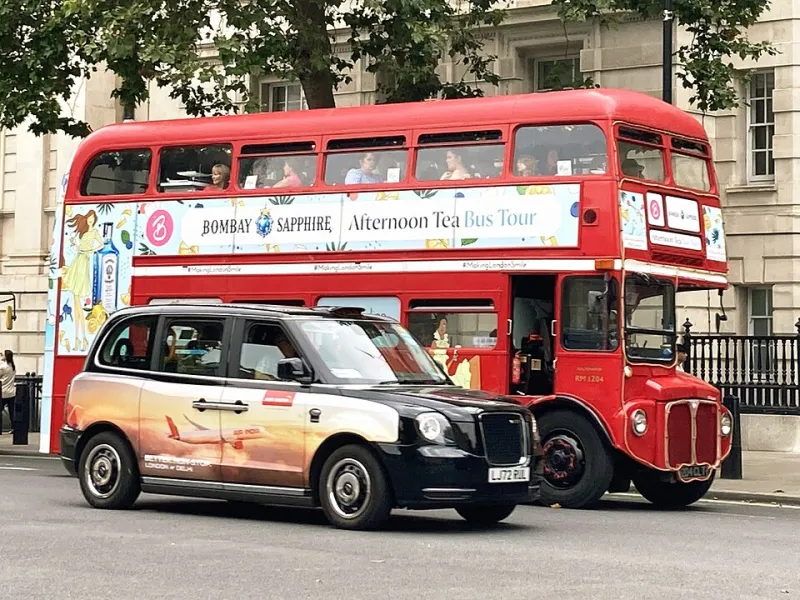
Photo: Pedemann, CC BY-SA 4.0, via Wikimedia Commons
A departure booked at short notice is not, in itself, a crisis. Flights are rearranged, meetings overrun and family plans shift. What matters is a clear-eyed view of what can be arranged from Chelsea when the request arrives with little time to spare. A licensed airport transfer can often be provided at a day's notice, and sometimes within hours, but the outcome depends on the time of day, the date, the vehicle required and the information supplied. This guide sets out realistic expectations rather than assurances that cannot be kept.
Defining the window
For practical purposes, a last-minute request is one made within 24 hours of departure. The distinction between a booking made the evening before and one made on the morning itself is significant. An evening call for a following morning pickup gives an operator the chance to allocate a vehicle and driver before the day begins. A request made two hours before pickup is a different proposition: it may be met, but it relies on a vehicle being available nearby and not already committed.
Where a booking line is staffed, a telephone call is generally more effective than an online form at this stage. It allows the operator to check availability immediately, clarify the terminal and luggage, and confirm a price without an exchange of messages. A written confirmation should still follow.
Availability at peak times
Chelsea's airport runs are subject to the same pressures as the rest of London. The busiest windows tend to be early morning departures from Heathrow, Friday afternoons, Sunday evenings and the first days of school holidays. The approach to Christmas 2026 will be particularly tight, as will half-term and bank holiday weekends. Business travellers add demand on Tuesday to Thursday mornings.
At such times, the first-choice cab may already be committed. A reputable operator will say so rather than accept a booking it cannot service. The realistic outcomes are a confirmed pickup at the requested time; a confirmed pickup within a short window, perhaps fifteen to thirty minutes; a larger vehicle if one is available; a partner operator working to the same standards; or a polite decline. Travellers should treat a precise promise made without any check as a warning sign, not a comfort.
Information that helps
A late booking is easier to fulfil when the request is complete. The pickup address should include the door number and postcode, together with any access notes such as a gated entrance, a hotel side door or a residents' bay. The airport and terminal matter: Heathrow's terminals are not interchangeable, and Gatwick's two terminals are some distance apart. A flight number allows the operator to monitor arrival or departure, though for outbound journeys the pickup time is governed by the terminal and the advised check-in, not by the flight alone.
Passenger numbers, luggage and any child seats should be stated plainly. If a pushchair or a large case is travelling, say so. A contact number that will be answered on the day is essential. Payment arrangements should be settled in advance where possible. If the traveller is staying in a hotel or serviced apartment, the concierge's number can be useful as a backup. Flexibility is also worth mentioning: a pickup twenty minutes earlier may open up an option that a fixed time rules out.
Cost and candour
Short-notice allocations can carry a different cost from bookings made weeks ahead, particularly if a vehicle has to be repositioned or a larger car is needed for luggage. A written quote before confirmation is reasonable. What is not reasonable is a fare that changes at the kerbside without explanation. The same courtesy applies in both directions: travellers should confirm the price and the pickup details, and operators should be clear about what they can and cannot deliver.
A fallback that keeps the day intact
If no cab can be secured, the fallback should be calm and already understood. From Chelsea, Paddington is a short cab or bus ride for the Heathrow Express and the Elizabeth line; South Kensington gives access to the Piccadilly line. For Gatwick, Victoria is the usual starting point for the Gatwick Express, with Southern services also available from Clapham Junction. London City is reached by the DLR, changing from the District line. These options take longer and involve luggage, but they are dependable when a road transfer is not.
It is sensible to keep a second licensed operator's number to hand, and to consider an earlier train with a generous buffer. A late booking should not become a late departure. Setting an alarm for the original time, laying out documents and luggage the night before, and confirming the driver's details in the morning remain the best defences against a rushed start.
The reasonable expectation
A last-minute airport cab from Chelsea can realistically deliver a licensed, insured vehicle and a driver who knows the route, provided the request is made with candour and the details are complete. It cannot guarantee that a vehicle will be free at the busiest moment, nor that every terminal and time will be available. The difference between a smooth departure and a fraught one is often the willingness to ask what is possible, to accept a sensible alternative and to have a fallback ready. That is not a lesser service; it is the basis of a reliable one.